Introducing Leena AI Forge: pilot to production in 187 days, then 43. Next, hours.
Most AI pilots never reach production. Leena AI Forge plans, builds, tests, and fixes enterprise automations in one conversation. Live now in Leena AI Colleagues Platform.
There are two problems most enterprises hit with Agentic AI, and almost nobody puts either one in a case study.
The first: the pilot goes incredibly well. Leadership is happy. Then the production launch never happens.
The second: the few that do reach production go brilliantly. Then the second use case takes just as long as the first, and the third never gets built. One or two people learned the platform properly, and every new request from HR, IT and finance waits on their calendar.
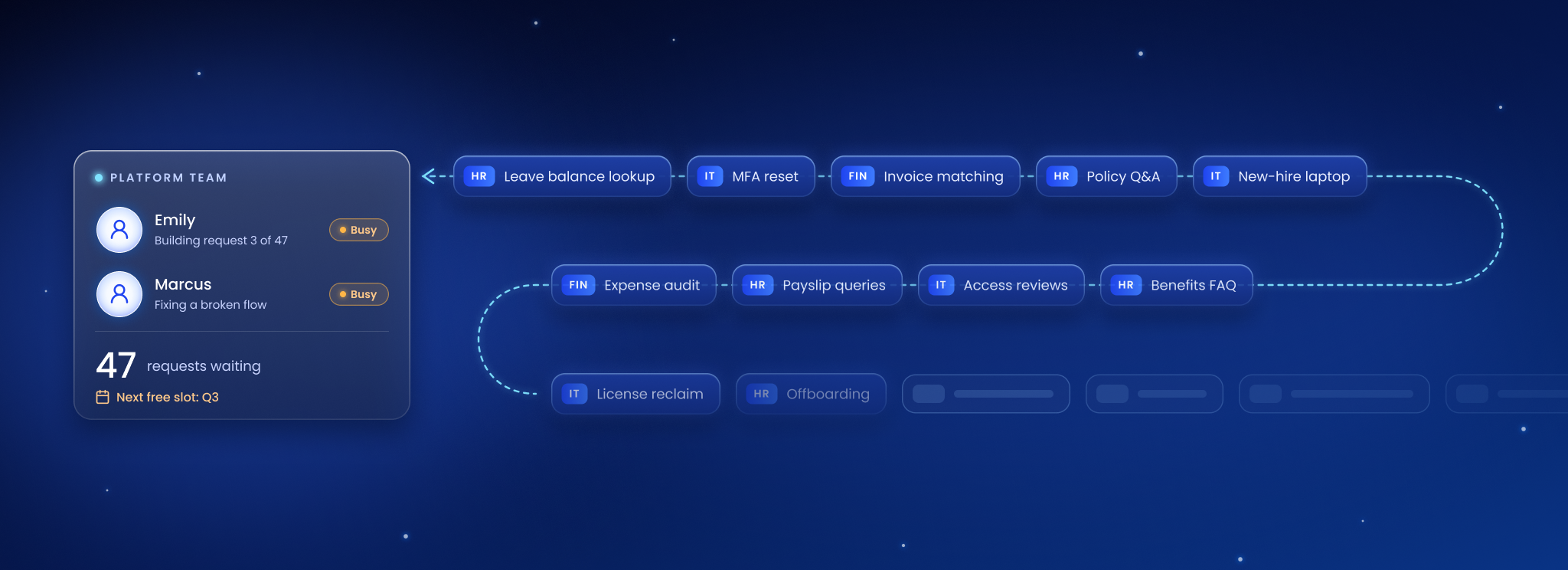
Two problems, one cause. Too many jobs sit between an idea and a live automation, and each one needs a different person.
What our own numbers told us
Two years ago, a Leena deployment took 187 days on average. We cut that to 87, then to 43, inside the 45 days we promise customers. Then it stopped moving.
Our last 18 deployments averaged 43 days. We kept building to bring that number down. It didn’t move.
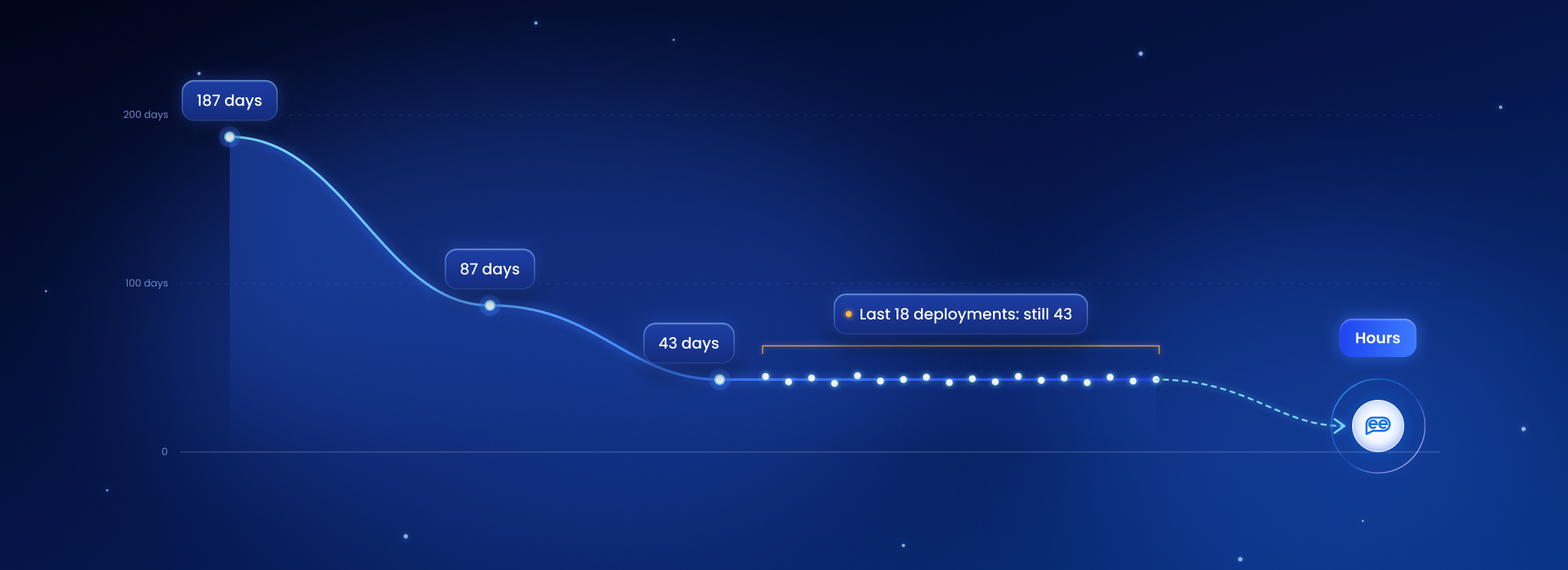
What held it there was how many people each automation passes through on the way to production. Someone to turn the requirements into a design. Someone to connect the systems and APIs. Someone to test it. Someone to fix it when it breaks.
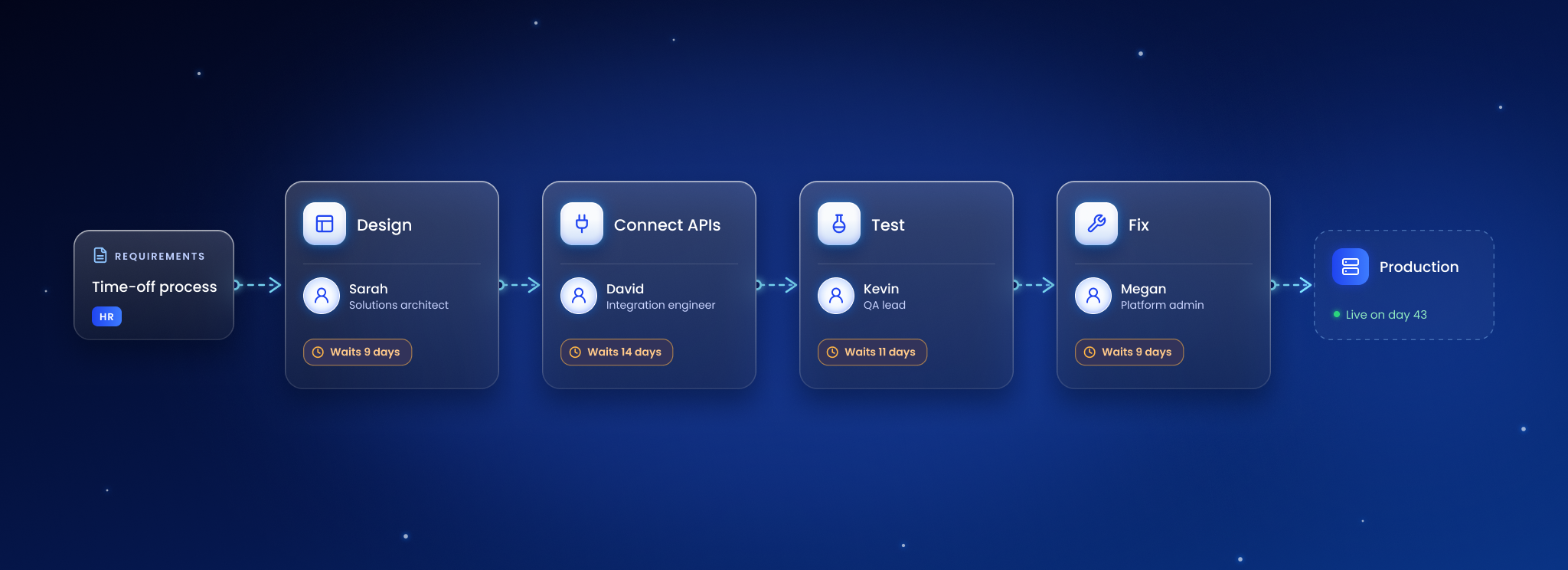
Each job needs different expertise, and almost nobody has all of it. The process owner knows the rules. Someone else knows how the systems connect. Someone else tests it. So even the person who understands the process best can’t take it to production alone.
The industry’s answer: better builders and more engineers
Most vendors have been answering this in two ways.
Better builders. Many platforms now let you describe what you want and get an agent back. That part is real, and we do it too. But it solves one part of the job. You still have to work out which tools the agent needs, what the API on the other end expects or whether an MCP connector can actually do the job, and what happens when a step fails. So the work goes back to the one or two people who know the platform, and everything else waits on them.
More forward-deployed engineers, to do everything the builder can’t. They work, but they scale one person at a time.
Neither changes how many hands an automation passes through before it ships.
What we launched
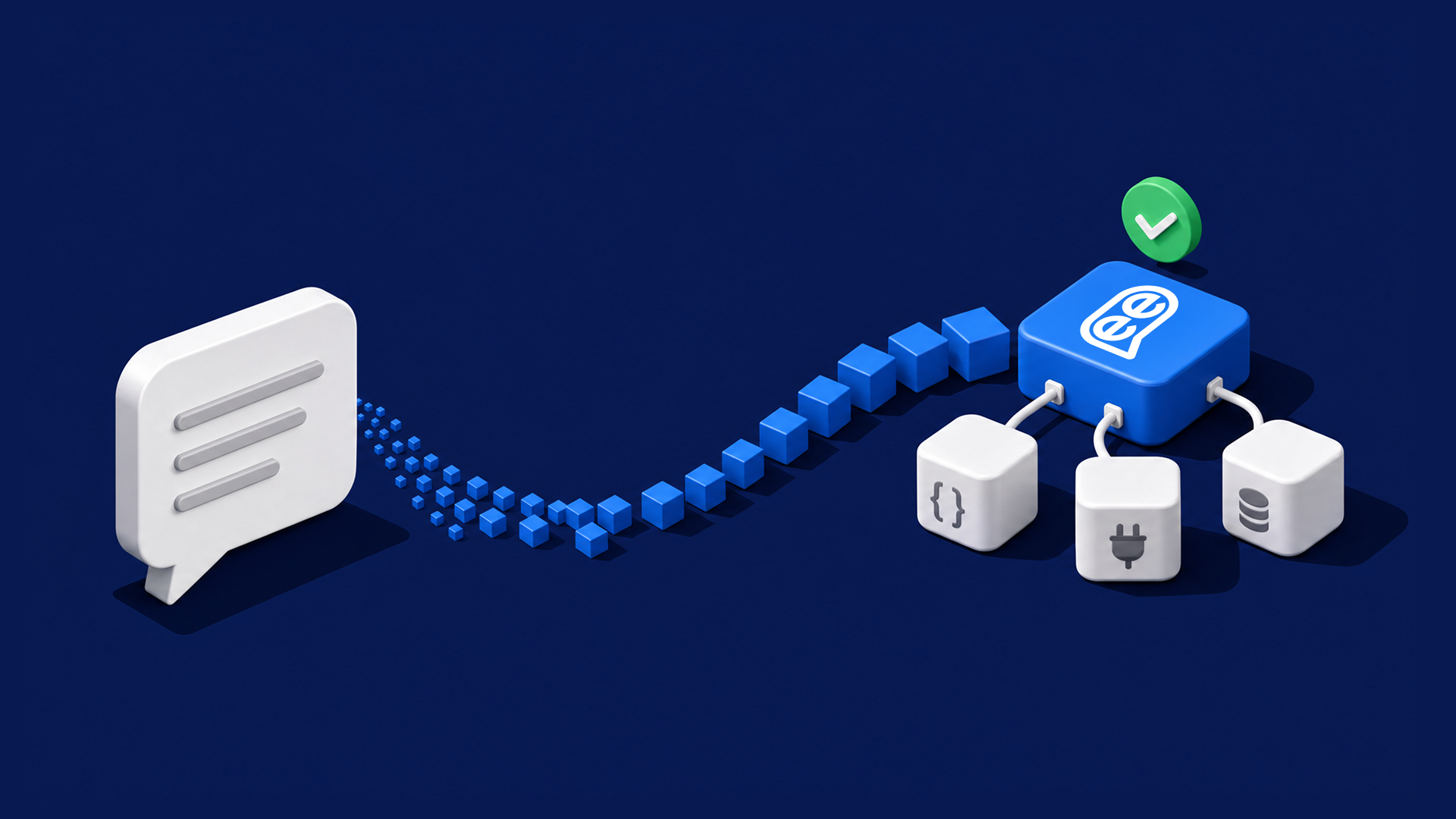
Leena AI Forge does all of those jobs in one conversation. It turns your requirements into a plan, connects the systems, tests what it built, and fixes what breaks.
You describe the outcome you want in plain language, or hand over the requirements document you already wrote.
It comes back with a plan and anything it needs from you. You approve. Then it builds the AI Colleague, the process, the tools and the connections, without anyone having to work out the APIs. It reuses what already exists, so you don’t end up with four versions of the same leave-balance lookup, and it works from your own processes, not from what a general-purpose model would guess.
Then it tests. It writes test cases from your requirements: for a time-off process, a sick day, a half day, a request that lands on a public holiday. You review them. It runs them and shows you what passed, what failed, and why, before anything goes live.
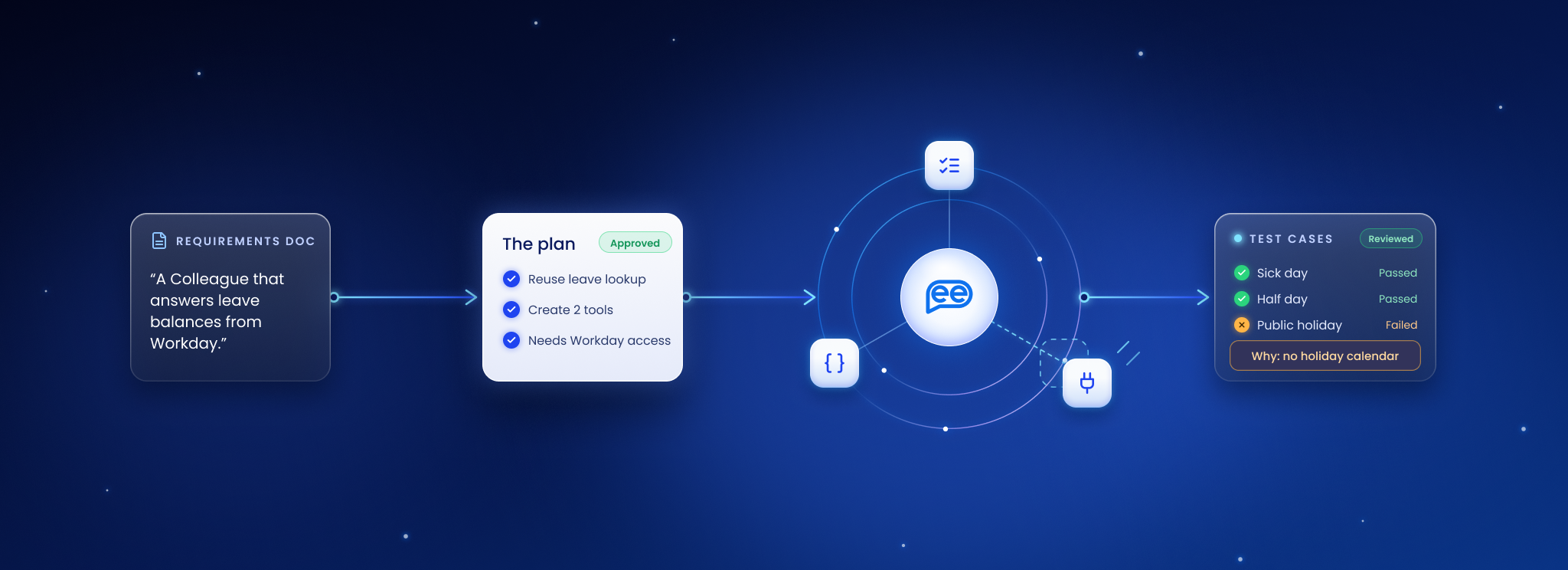
And because it runs inside the Leena platform, it inherits every permission, approval and audit rule already there. Nothing goes live until you say so.
And once it’s live, you’re not on your own. Ask Forge why a run failed and it diagnoses the cause and fixes it in the same conversation.
The part nobody demos
Building is the part vendors show. Getting it to production, and keeping it there, is the part that decides whether anything ships at all.
Automations fail quietly. A credential expires. An approver leaves the company and every request in their chain stops moving. A system upgrade renames a field. A policy changes and the process no longer matches it. A knowledge source goes stale. Nothing alerts anyone. The first you hear about it is an employee saying the thing didn’t work, and then someone spends a morning across run histories and execution logs working out why.
With Forge you ask what happened. It reads the run history, tells you the cause in plain language instead of an error log, and offers to fix it: reconnect the system, correct the step, re-run to confirm. In the same conversation.
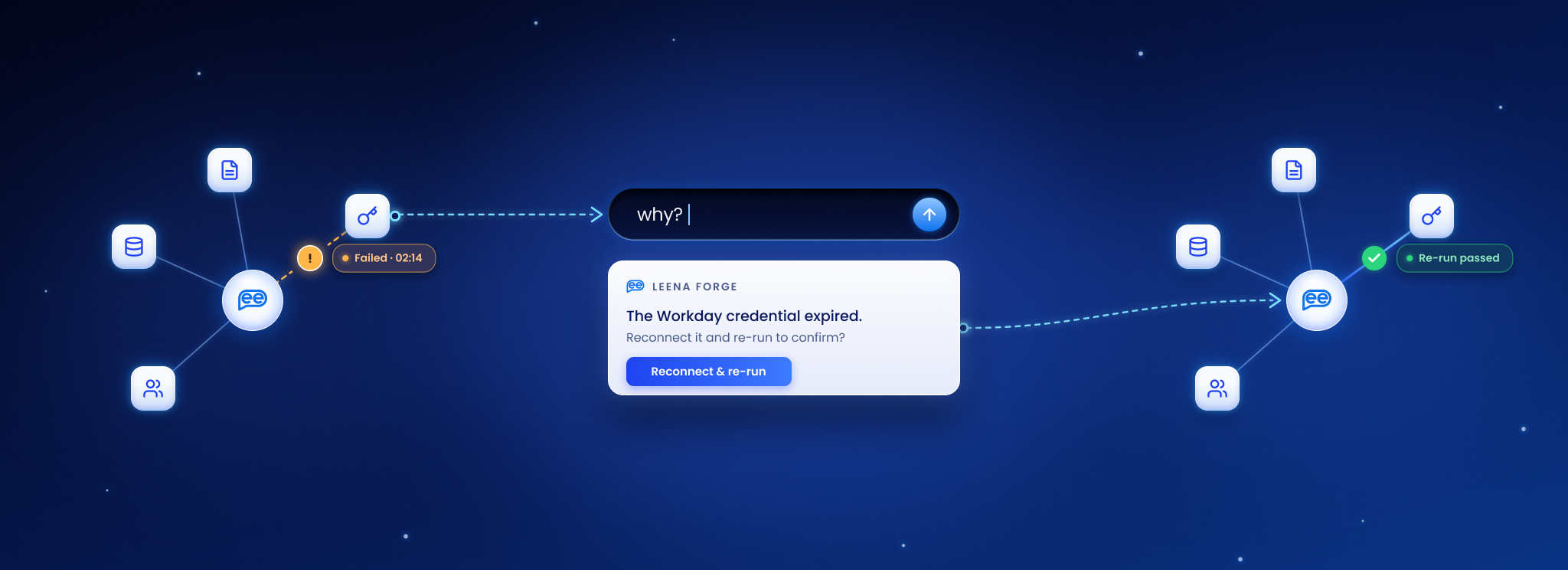
This is the unglamorous half, and it’s the half that compounds. Every automation you can’t maintain cheaply is one that eventually gets switched off.
Where this goes
Today, Forge builds what you describe, tests it, and fixes it when something breaks.
Next, it stops waiting to be asked. It will evaluate every automation before and after go-live, watch them in production, and come to you with the fix already prepared.
The end state is one person, the one who owns the process, taking it from pilot to production on their own. Not in 43 days. In hours.
So, will you still need forward-deployed engineers?
Yes. But not for the jobs Forge now does.
Getting Agentic AI into production across an enterprise will always need people who understand the systems and the edge cases. What changes is how they spend their time. Not wiring up APIs, writing test cases or reading logs to work out why a run failed.
Their time goes to the work that actually needs a person: deciding what the process should be, handling the exceptions nobody wrote down, and getting the business to agree on what good looks like.
The real measure
There are two questions worth asking any Agentic AI vendor.
How long does it take to get to production: a quarter, a month, a week, a day?
And how many of your process owners have taken an automation to production, for a process they own, themselves?
If the answers are “a quarter” and “none”, you didn’t buy a platform. You bought a dependency.
See Forge do it live
In a 30-minute demo, watch Forge take a real HR or IT use case — from a plain-language description to a built, tested automation. Live, in a working environment, not on slides.

VP Product Marketing & Brand Marketing. Enterprise GTM at AppNexus, HubSpot, and Nextiva. Tarun separates AI's signal from its noise.
Pick your next stop
Hand-picked next reads — short on filler, long on what matters.
 Published 8 September, 2025
Why the Agentic Definition Should Be on Every CIO’s 2025 Roadmap
 Prashant Sharma
 Published 28 August, 2025
AI Agents vs. Agentic AI: Unlocking the Future of Enterprise AI
 Mayank Kapoor
 Published 2 July, 2025
Is Your IT Service Desk Stuck in the Past? Here’s How Automation in ITSM Is Your Next Competitive Advantage
Prashant Sharma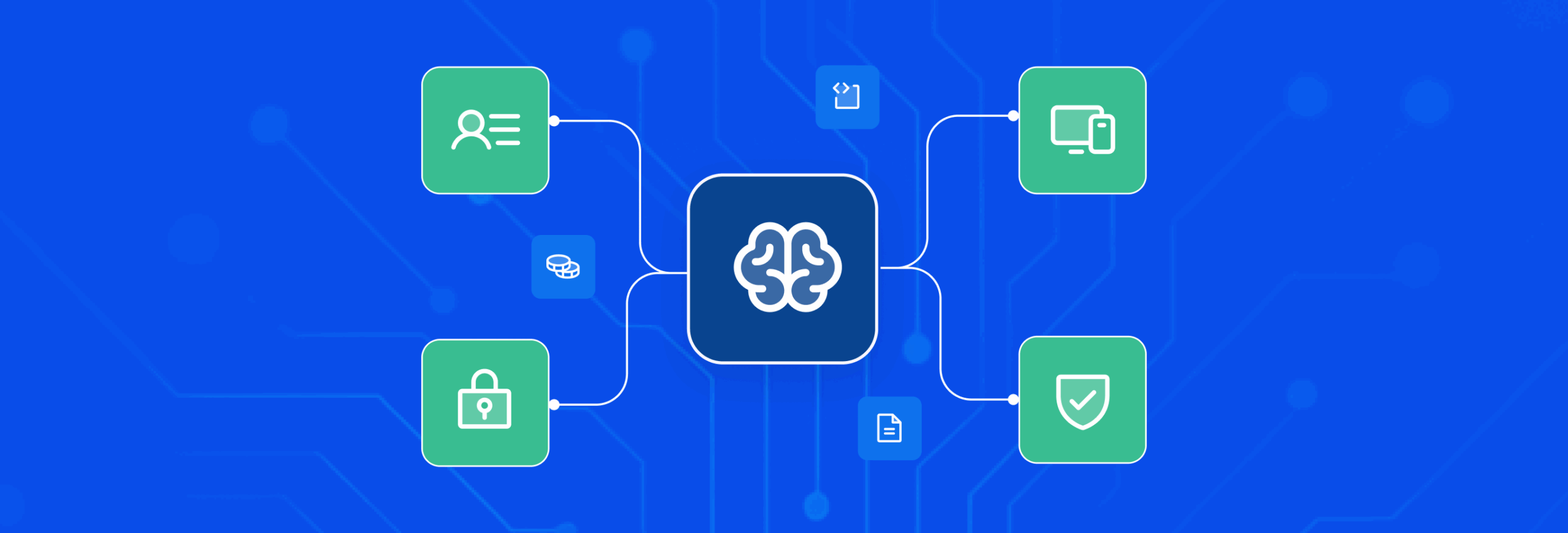 Published 20 June, 2025
A CIO’s Guide to Investing in an Agentic AI Platform
 Adit Jain
 Published 12 September, 2025
The Leena AI Journey – From a Dorm Room to Your C-Suite: Building a World Without Back Offices
Adit Jain Published 8 September, 2025
The Leader’s Playbook for Automated Services in 2025
Prashant Sharma